

Why Do We Keep Having the Same Fight?
If you've ever found yourself thinking, "How did we end up here again?" you're not alone.
Many couples come to therapy feeling frustrated because they seem to have the same argument over and over. Maybe it's about chores, parenting, intimacy, money, or communication. The topic changes, but the ending always feels familiar. Someone shuts down, someone gets defensive, feelings get hurt, and nothing really gets resolved.
It can start to feel like you're speaking different languages.
The good news? The recurring argument usually isn't the real problem.
The Fight Beneath the Fight
Most repeated conflicts aren't actually about the dishes, whose turn it is to pick up the kids, or how much was spent on Amazon.
They're about something deeper.
Underneath many arguments are questions like:
Do I matter to you?
Can I count on you?
Do you understand how I'm feeling?
Am I appreciated?
Are we on the same team?
When those deeper needs aren't being met or when they don't feel safe to express directly, couples often get stuck arguing about the surface issue instead.
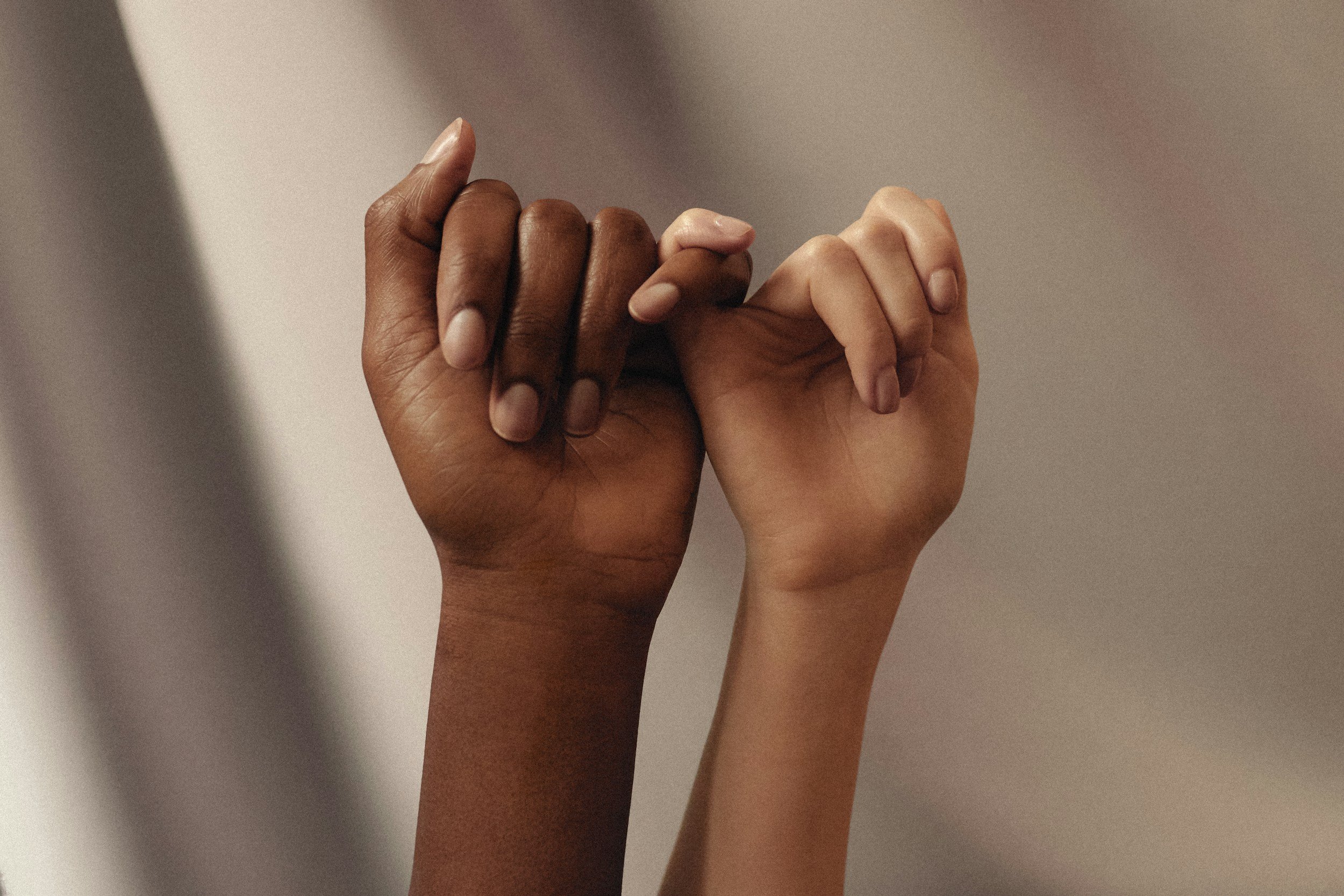

Why We Get Stuck
Every person brings their own experiences, family dynamics, and communication patterns into a relationship.
When conflict happens, it's common for each partner to fall into automatic responses. One person may pursue the conversation, needing reassurance or resolution. The other may withdraw, hoping to avoid making things worse.
Neither partner is usually trying to hurt the other.
They're both trying to protect themselves.
Unfortunately, those protective patterns often create the exact reaction they're hoping to avoid.
The more one partner pushes, the more the other pulls away. The more one withdraws, the more the other feels alone.
Before long, the same cycle repeats itself again and again.

The Goal Isn't to Stop Fighting
Healthy couples disagree.
Conflict isn't a sign that your relationship is failing.
The difference is that healthy couples know how to repair after conflict and understand what's happening beneath the argument.
Instead of trying to "win," they learn to understand each other's experiences, respond with curiosity instead of criticism, and work together against the problem rather than against each other.
How Couples Therapy Can Help
One of the biggest misconceptions about couples therapy is that the therapist decides who's right.
That's not what good couples therapy is about.
Instead, therapy helps you:
Understand the patterns that keep you stuck.
Recognize what each partner is really trying to communicate.
Learn healthier ways to express needs and respond to conflict.
Feel more connected, understood, and emotionally safe.
When couples begin to recognize the cycle they're caught in, the conversation starts to change. The same disagreement no longer has to end the same way.
Modalities That Help You Heal
-
Creative approaches that help you connect with your emotions in real time
-
Repairing relational wounds that often begin in early life and impact current relationships
-
Understanding how past pain influences present struggles
-
Supporting individuals and families impacted by substance use
Take the First Step Toward Healing
Take the First Step Toward Healing

Ready to take the next step? Contact (Re)Connect Therapy Center to schedule a consultation and learn how couples therapy can help you build a stronger, more connected relationship.